
About
About
I live in Tokyo, where my work unfolds through rope across practice, art, community, and writing.
I came to Japan in 2017 for a job in artificial intelligence. At the time, rope was not part of my life. Soon after arriving, I found myself in a traditional house in Tokyo, surrounded by strangers, with a rope in my hands. That moment opened a path I am still following.
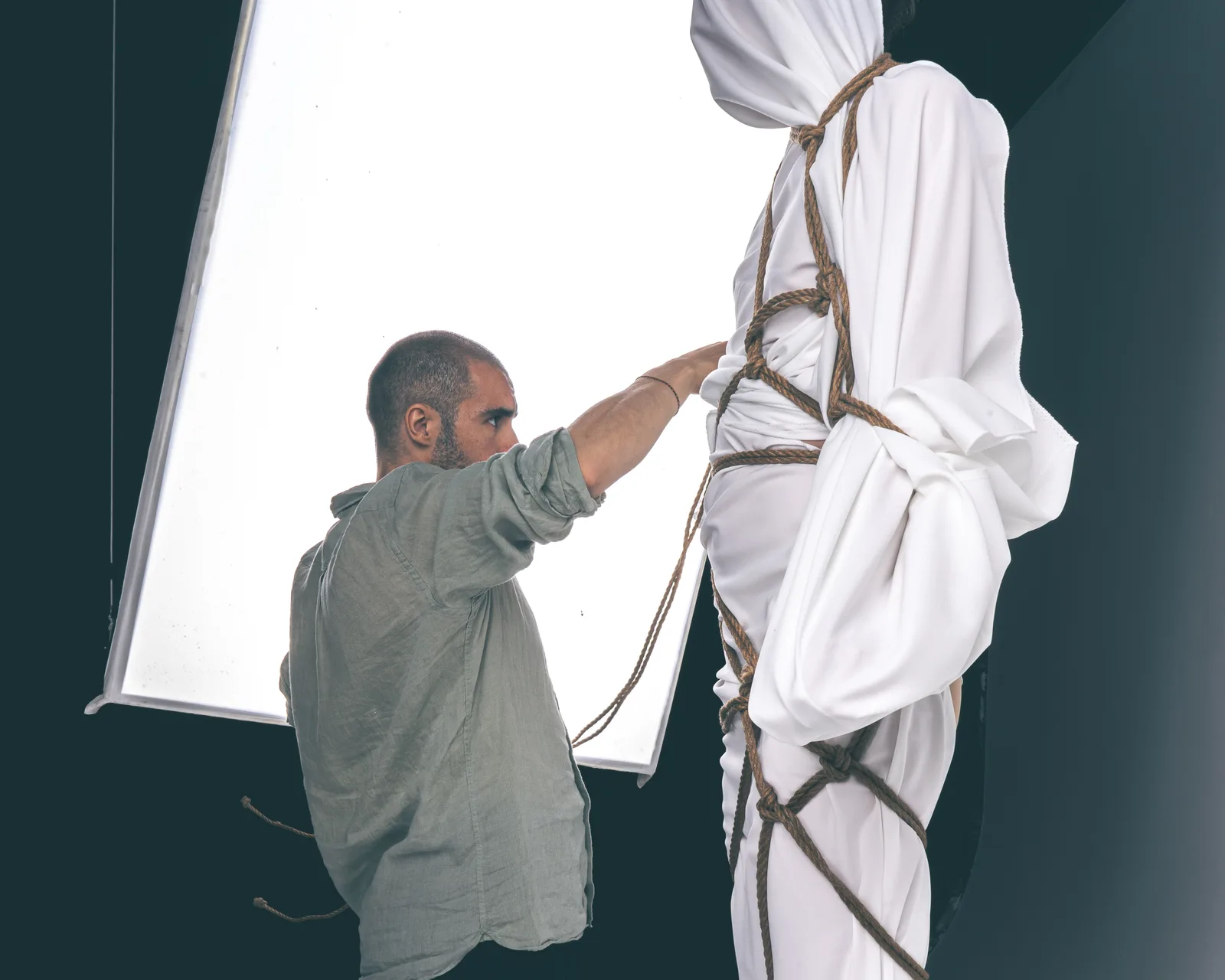
By Accident
I had just moved to Japan in 2017 as an AI researcher. Someone invited me to what I thought would be a performance, and I went without really knowing what I was about to see. It was a sunny winter day. I arrived at a quiet house in the suburbs of Tokyo, a traditional wooden house with tatami and the smell of incense. Inside, a few people were sitting on the floor in silence.
It turned out not to be a performance at all, but a gathering of students with their teacher. I was sitting there, unable to speak Japanese at the time and trying to make sense of what was happening, when a man came over and placed a rope in my hands. My companion knelt in front of me. Before I could process it, I found myself tying someone I had just met.
I did not understand then what had happened, only that something had clicked. My body felt released in a way I could not explain. The closest feeling I knew was the one I have when I write poetry. I began studying and practicing rope in Japan that same year. Over time, what first arrived by accident became a practice, and then the center of my life.
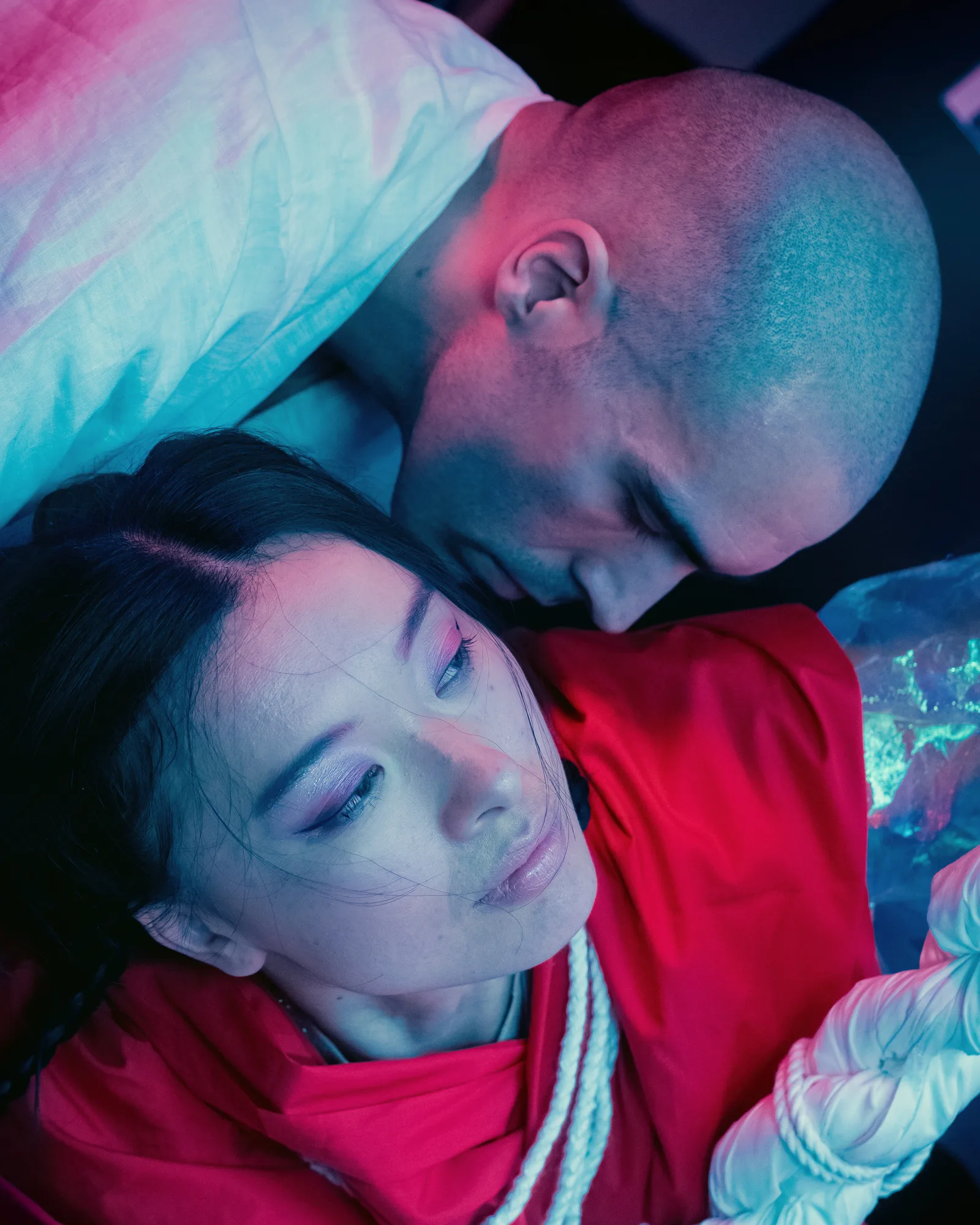
From Practice to World
Rope first led me into photography and Tokyo's underground art and music scene. What had begun as a private practice started opening into a wider creative dialogue between my deeper self and Japanese tradition.
When I met Ai, our worlds exploded. We performed together at the legendary, now-closed club Contact. I am not even sure I would have called it Shibari then. It felt more like an eruption. From there we were invited to festivals and venues, creating not only performances but installations as well. We formed Hidden Layer, and over time, with collaborators like Giosue Russo, Xin Xanovich, Kojiro, and Sayako Shiratori, that energy grew into a creative community. We began organizing our own events, and out of that momentum, UNBOUND emerged.
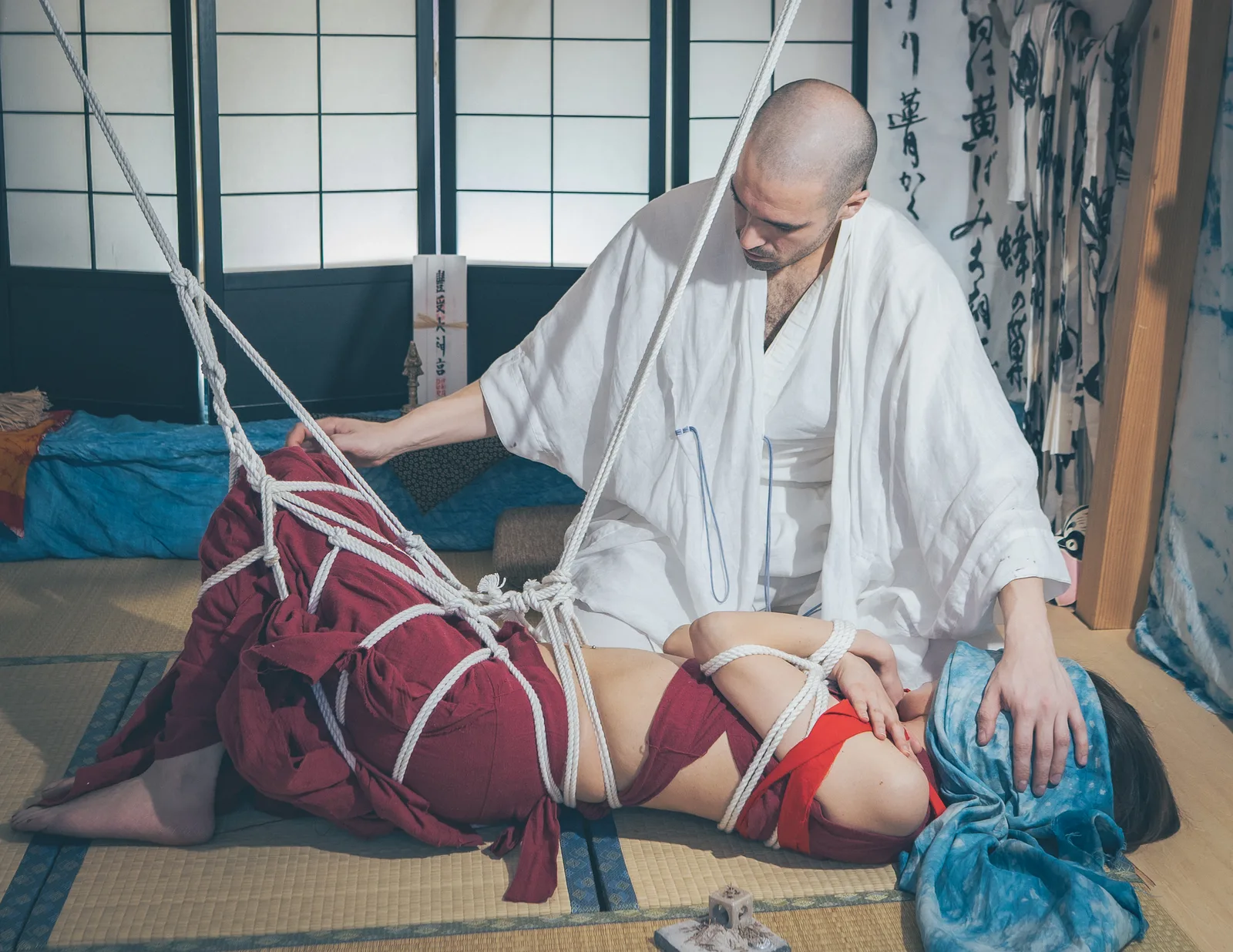
Returning to practice
To deepen that question, I opened my studio in 2021. Working directly with clients changed the nature of the work. Many people were not simply looking for an experience or a photo shoot. They were looking for change. They came at moments of transition, carrying something they wanted to move, release, or see more clearly.
I felt the limits of my role very strongly. I was not a therapist. But I also felt the need to understand more deeply what this practice could hold, and what kind of value I could truly offer through rope. That pushed me to keep studying, refining, and shaping the work with more care and intention. Over time, that became what is now AIDA METHOD.
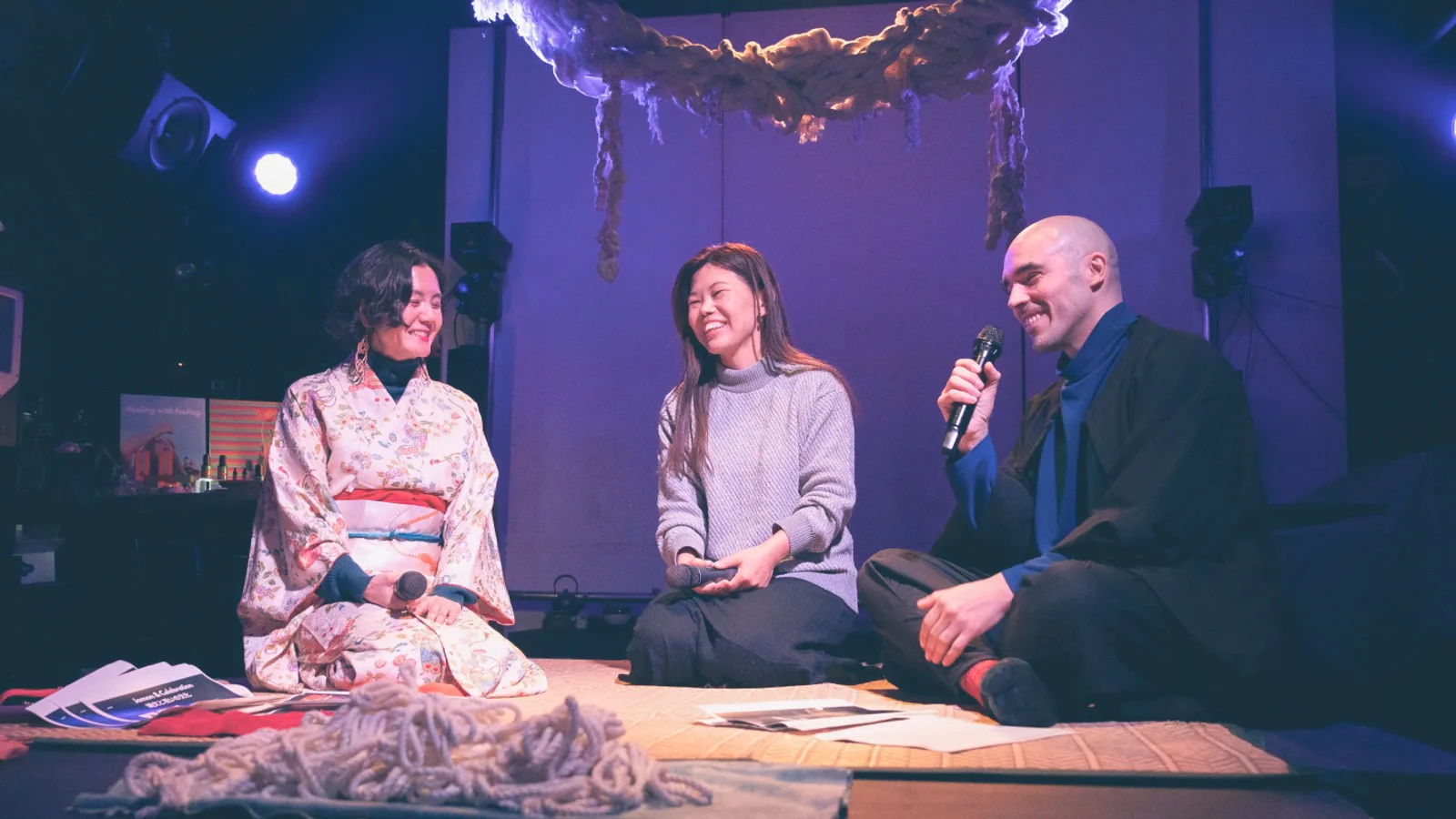
Connecting the dots
Today, this work takes several forms, parts all of the same search.
Practice
In AIDA METHOD, rope becomes a somatic practice of presence, developed as a contemporary form of meditation.
Art
In performance, photography, and ritual objects, rope becomes form, rhythm, atmosphere, a passage into the not yet named.
Community
In UNBOUND and MUSUBI, rope becomes a space for celebration, exchange, and cultural research in Japan.
Writing
In essays and notes, rope becomes a way of thinking through embodiment, tradition, aesthetics, and contemporary practice.
Across all of these forms, I return to the same questions: how rope shapes attention, what kinds of experience it can open, and how a traditional practice can become a living contemporary discipline.